Mapping What’s Possible: How Rural Communities Became Partners in Designing Their Future
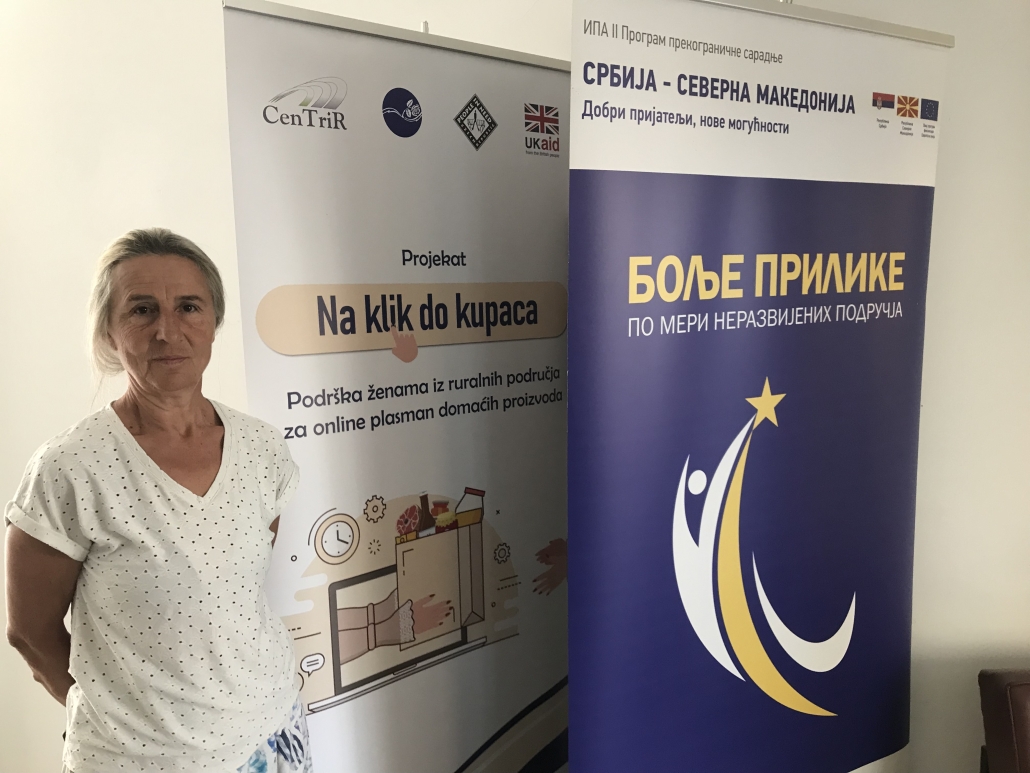
Fit for the Needs: A Story of Opportunities Rising in Underdeveloped Rural Areas
In some smaller municipalities of Serbia and North Macedonia, mountains separate villages, and rural life often moves quietly. However, a project aimed to change this narrative.
“Fit for the Needs – Raise Opportunities for Underdeveloped Areas” opened doors for women, youth, and rural families. These groups had long faced limited employment prospects. With a clear vision, it strengthened employability through innovative agricultural practices rooted in sustainable development.
Behind the initiative, NALED led a cross-border partnership. They worked closely with local women’s associations, research foundations, and civil society organizations. Supported by an EU-funded grant of €188,958, the project ran from December 2020 to 2021. It covered municipalities across Jablanica and Pčinja districts in Serbia and the North-East region of North Macedonia.
Building the Foundation: A Cross-Border Network Comes to Life
The project began by creating the Cross-Border Coordination Body. This alliance brought together 42 organizations from the public, private, and civil sectors. From Lebane and Vlasotince to Kumanovo and Staro Nagoričane, local leaders and community representatives worked side by side. They learned more about each other and identified shared challenges.
Through a 10-day capacity-building programme, 57 members learned to design policies, evaluate results, and plan development that matched rural needs.
Members also joined practical work during training sessions. As a result, the CBC action plan with 22 activities and a joint project summary were created. These documents now serve as a legacy for future CBC collaboration.
Along the way, the project reached more than 500 rural citizens directly. It offered training and mentorship to 164 participants in food production, processing, crafts, and market access.
Planting Seeds for Lasting Change
By connecting communities, strengthening local institutions, and providing practical skills, “Fit for the Needs” went beyond temporary support. It laid the foundation for sustainable rural development. The knowledge, networks, and tools continue to empower women, youth, and families. Thanks to this, the opportunities this project created are not temporary but a lasting foundation for growth, cooperation, and resilient local economies.