Fit for the Needs: Turning Potential into Progress
Listening to Rural Communities
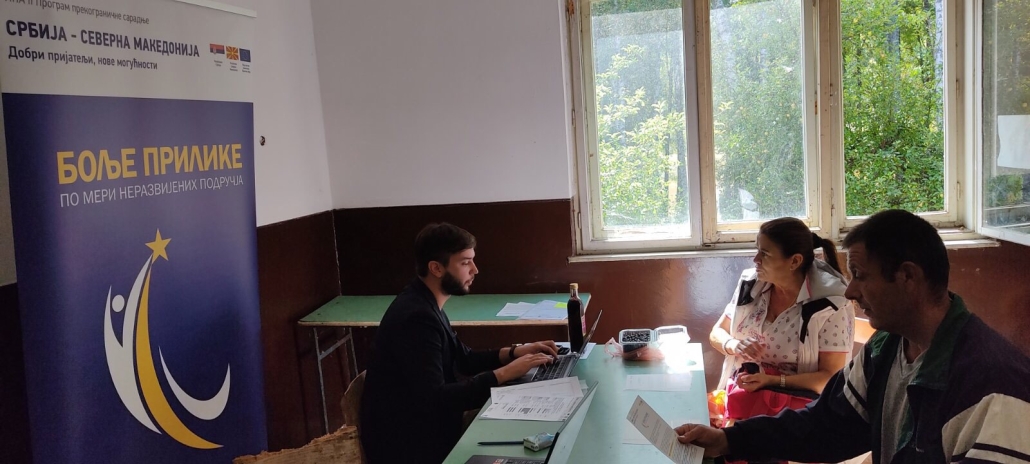
The project “Fit for the Needs” started by- listening. The project team visited nearly 100 rural settlements, interviewed over 300 residents, and organized discussions with 281 local stakeholders. From this fieldwork, they created detailed economic potential maps. These practical tools were printed and distributed across the region. They helped municipal leaders clearly see where resources, knowledge, and opportunities truly lie.
Turning Insights Into Action
With this foundation, teams developed nine new employability support measures. They handed them over to municipalities on both sides of the border. These measures focused on areas such as beekeeping, food processing, traditional crafts, and sustainable agriculture.
Some municipalities acted quickly. Surdulica introduced grants for agricultural incentives. Vlasotince set up a fund for agricultural development with support from the Divac Foundation. In North Macedonia, several municipalities integrated the proposed measures into their rural development plans. Although not all actions have been implemented yet due to financial and administrative constraints, the groundwork is solid and ready for the next step.
A Human Story: Skills, Confidence, and New Possibilities
For many rural residents, the most valuable part of the project was personal growth. Through hands- on trainings and tailored mentorship, 129 participants sharpened their skills and strengthened their confidence.
Beekeepers in Surdulica learned new methods to expand production. Craftswomen in Vlasotince received support to transform traditional skills into market-ready products. Small farmers and social enterprises in Lebane refined their business ideas. At the same time, food producers in Kumanovo and Staro Nagoričane benefited from one-on-one guidance from experienced mentors. Even three years later, local partners estimate that at least one-third of participants still rely on the knowledge they gained—a testament to the project’s long-term value.
Crossing Borders, Sharing Solutions
The project also fostered collaboration. Two study visits brought together 50 participants from both countries to observe best practices firsthand. They exchanged expertise in sustainable agriculture, rural tourism, and cultural heritage preservation. These interactions strengthened trust among local governments, chambers of commerce, and rural producers. Moreover, they opened new perspectives on how the region can grow stronger—together.